
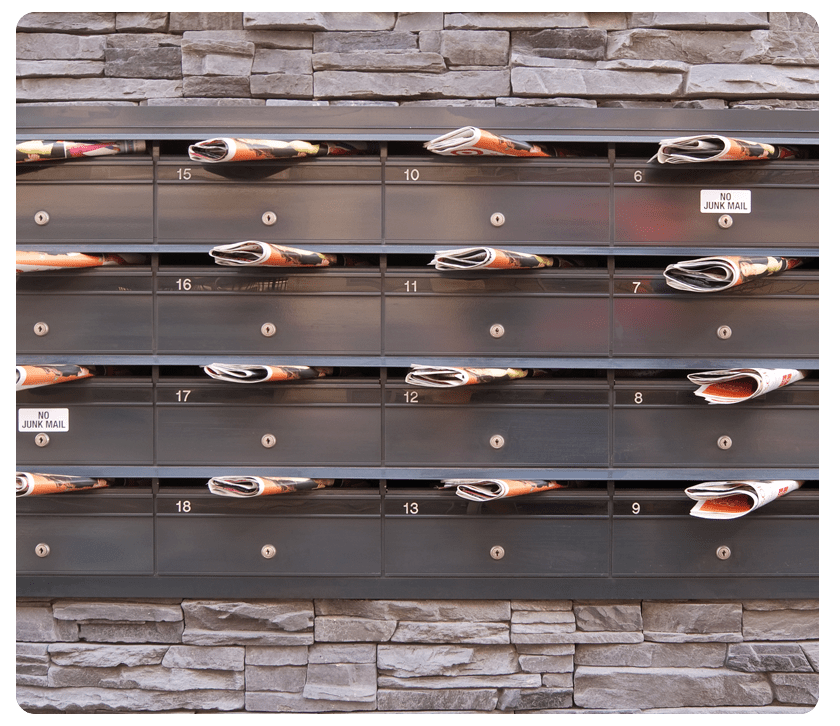
Direct mail is one of the most personal channels in a marketer’s toolkit. When someone holds your postcard, they are holding your brand. That moment is brief, but it is yours to own.
Word Count Is Dropping, and That Is a Good Thing
Research from Who’s Mailing What!, a database of nearly 200,000 direct mail pieces, shows that average word counts have dropped significantly over the past two decades. Postcards are down roughly 30%. Self-mailers are down nearly 29%. Even envelope mailers have shed about 24% of their copy.
This is not laziness. It is discipline. Attention spans are shorter, and mail that respects the reader’s time consistently outperforms mail that demands it. Say less, say it better.
Lead with the One Thing That Matters Most
Your most compelling point needs to be front and center. On a postcard, you have roughly three seconds before someone decides whether to keep reading. Ask yourself: if a prospect reads only one sentence, which one do you want it to be? That sentence belongs at the top.
Focus on the Reader, Not Your Company
Copy that leads with “We have been in business for 30 years” is talking to itself. The shift that improves response rates is moving from company-centric to customer-centric language. Instead of “We offer fast, reliable service,” try “Is slow service costing you business?” The first is a statement. The second is a conversation starter. Answer the reader’s first question before anything else: What is in it for me?
Design for Scanning
Most recipients scan before they read. A few design principles consistently improve engagement:
- White space signals confidence, not waste. Crowded layouts feel desperate and are harder to process quickly.
- A clear visual hierarchy guides the eye from headline to call to action.
- One focal point per side keeps the message from competing with itself.
Keep the Call to Action Simple
One clear next step outperforms a list of options. Direct mail’s job is usually just to open the door. Visit this URL, call this number, stop in. The conversion happens later. Ask for something reasonable and make it easy to say yes.
A Few Things to Avoid
- Vague benefits. “Quality service” and “competitive pricing” mean nothing. Be specific.
- Too many fonts or colors. They create visual noise that undermines your message.
- No reason to act now. A deadline or limited offer creates urgency without pressure.
Direct mail rewards focus. Nail the fundamentals with shorter copy, cleaner design, a customer-first message, and one clear next step, and your mail will stand out in any mailbox.

