
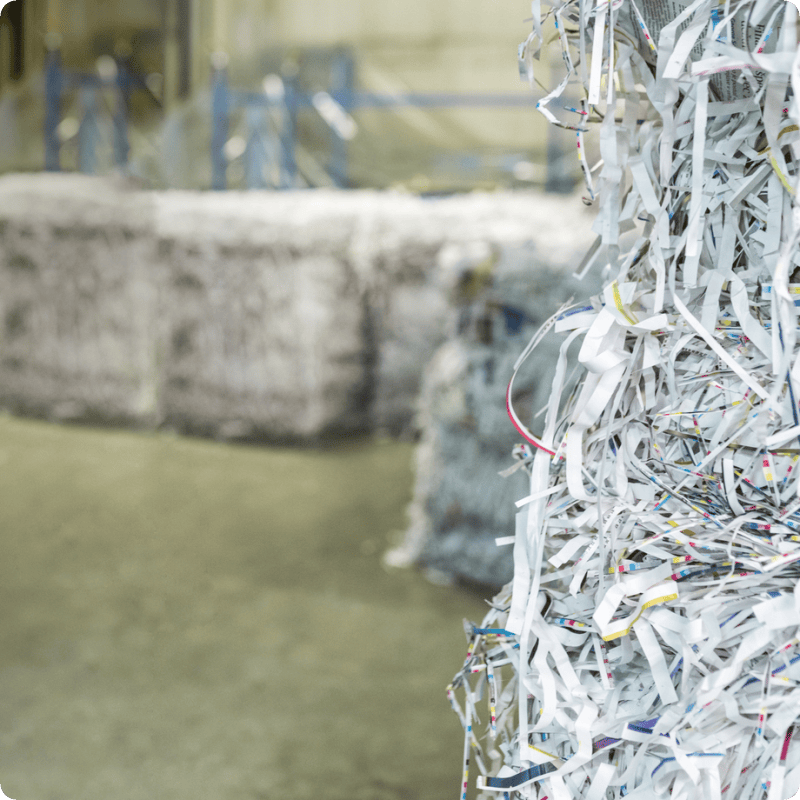
For many businesses, sustainable printing starts and ends with recycled paper. That is a reasonable place to start, but there’s much more to the picture. If your organization has real environmental goals, it is worth asking some deeper questions about how your print marketing is produced and managed.
Here are some to get you started.
Are You Specifying Eco-Friendly Inks?
Vegetable-based and water-based inks produce vibrant results while significantly reducing the harmful emissions associated with petroleum-based alternatives. When you are working with your print partner on a job, ask about ink options. Specifying sustainable inks is a straightforward choice that makes a real difference.
Are You Printing More Than You Actually Need?
This is one of the most common sources of print waste, and it often goes unexamined. Printing 2,000 brochures when you need 400 adds storage costs, risks materials going out of date, and generates waste when those extras are eventually discarded. Print on demand lets you produce exactly what you need, when you need it, without the surplus.
Are Your Designs Working Against Your Sustainability Goals?
Design choices directly affect your environmental footprint, and this is often overlooked. Layouts that minimize ink coverage, formats that reduce paper waste, and specifications that avoid unnecessary coatings can lower a job's environmental impact without changing how it looks. Before you finalize a design, ask whether there are adjustments that would make it more efficient to produce.
Are You Using Finishes and Coatings Only When They Are Necessary?
Gloss coatings, soft-touch finishes, and laminates are easy to add out of habit. Many include plastic layers that don't biodegrade and add cost without adding value in every application. Unless you genuinely need the scuff resistance or durability, consider whether the finish is serving the piece or just becoming waste.
Are You Consolidating Your Print Runs and Mailings?
Multiple small campaigns throughout the year mean multiple print runs, multiple postage trips, and multiple waste streams. Consolidating into fewer, more strategic mailings reduces all three. For example, a business might combine a fundraising appeal with a related announcement, reducing the number of pieces in circulation while keeping the message focused.
Are You Considering the Full Supply Chain?
Sustainability does not stop at what goes on press. The paper, inks, and coatings used in your print jobs each carry their own environmental footprints. When you are making purchasing decisions, it is worth asking how your choices at the specification stage affect the broader supply chain, not just the finished product.
Are You Working Local When You Can?
Shipping finished print jobs across the country has an environmental cost that does not show up in the quote. Working with a local print partner reduces transportation emissions and keeps that part of your supply chain short.
Sustainability in print is not a single checkbox. It is a set of decisions made at every stage of the process, many of them yours to make. The good news is that most of these choices do not require trade-offs that reduce quality or increase cost. In many cases, they improve both.

