
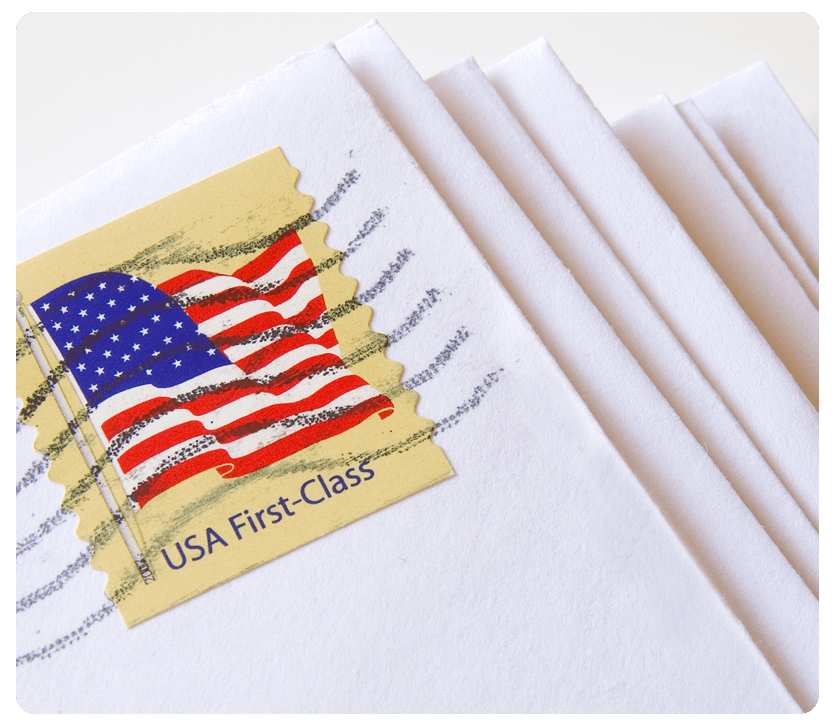
New postal rates took effect July 12, with the mailing services price adjustment (Docket R2026 1) resulting in an average increase of 4.8% across First-Class Mail, USPS Marketing Mail, Periodicals, Package Services, and select Special Services. The good news is that a rate change doesn't have to mean a smaller campaign or a smaller budget. With the right planning, there are real opportunities to keep costs in check while the program keeps performing.
It also helps to look at what the data shows about direct mail's performance, because the numbers make a strong case for staying the course.
Direct mail still outperforms digital by a wide margin
According to the ANA/DMA Response Rate Report, direct mail earns an average response rate of 4.4%, compared to just 0.12% for email, roughly 37 times more responses per piece. The same research shows direct mail delivering an average ROI of 161%, ahead of email, paid search, paid social, and display advertising.
Part of this comes down to simple attention. USPS reports that the average household receives around two pieces of direct mail a day, compared to 157 emails, so mail faces far less competition for attention than the inbox does.
There's also a cognitive piece to this. Researchers studying consumer behavior have found that printed materials trigger stronger memory encoding than digital screens, largely because touch and physical presence engage more of the brain. That translates into better recall, more trust and stronger response.
Where the real savings live
A rate increase doesn't have to mean a smaller list or a smaller campaign. Paper selection, format, presort strategy, mail class and list hygiene all affect your final cost, and small adjustments across these areas can add up to meaningful savings. Finding them takes a trained eye and a full view of how a mailing comes together, from the first list pull to the moment it leaves the dock.
We have guided clients through rate changes like this one before and know where the flexibility in a mailing exists, and where it doesn't. Much of that expertise needs to be applied early. Reach out and bring us into the conversation in the beginning stages of the planning process.
If you want the full value out of your mail spend this year, the smartest move is to have that conversation now.
Source: USPS Postal Explorer, July 2026 Price Change; ANA/DMA Response Rate Report, 2025

