
When you spec a paper with 40% recycled content, do you know what type of recycled paper is actually in it? That 40% might be split between post-consumer waste and pre-consumer waste. What’s the difference? Is one better than another?
Here’s what you need to know.
Post-Consumer Waste: The One Everyone Knows
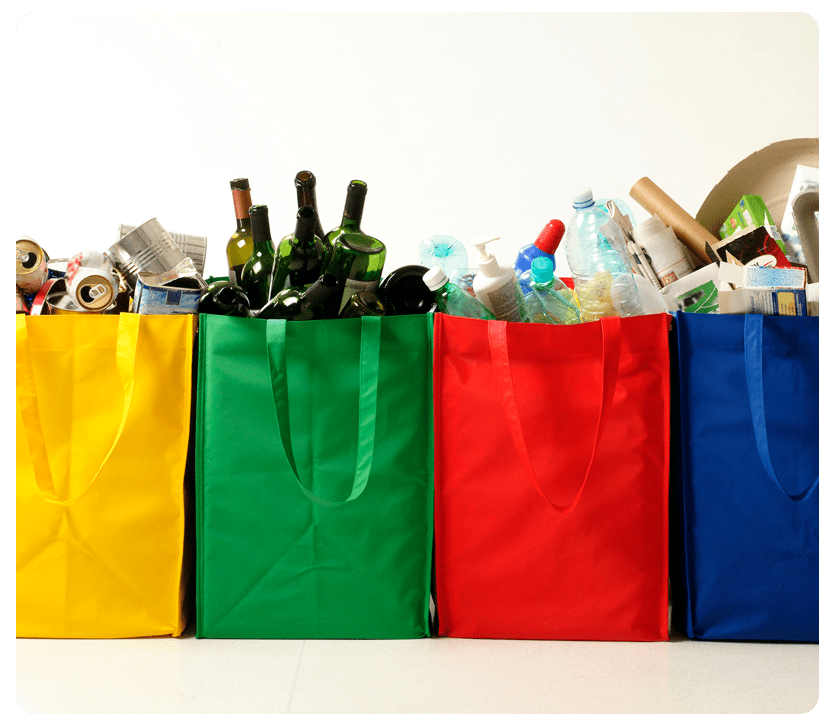
Post-consumer waste is what most people picture when they think of recycled paper. It’s the mail, newspapers, packaging, and other paper products that consumers use and then put into the recycling bin. It’s the most visible part of the recycled paper stream, which is why many buyers default to specing it exclusively.
Pre-Consumer Waste: What Happens Before the Product Ships
Pre-consumer waste comes from the manufacturing process itself, before anything reaches a consumer. In print production, this includes test prints and press makeready sheets generated during setup, as well as trimmings and offcuts from cutting, folding, and binding operations. Book and magazine publishing, packaging, and wide format printing all produce pre-consumer waste as a normal byproduct of production.
Because pre-consumer waste never makes it into someone’s home, it doesn’t get contaminated by food, drink, or other household waste. That makes it clean and efficient to recycle. The trade-off is that not all print manufacturers have well-developed systems for capturing and recycling it, so actual recycling rates can vary.
So Which Is Better?
From a sustainability standpoint, the honest answer is that neither is categorically better than the other. If they are not diverted, both types of paper waste end up in landfills. Recycling either one offers a genuine environmental benefit.
The preference for post-consumer waste is largely a perception issue. It’s the kind of recycling people can see and participate in, so it feels more meaningful. But if you limit your spec to post-consumer waste only, you’re narrowing your options without a strong environmental justification.
A mix of both gives you more flexibility in paper selection and supports a broader, more complete recycled paper stream. When you spec recycled content, any combination of the two is a meaningful step in the right direction.

